







Search Results for: Baoshan Geisha
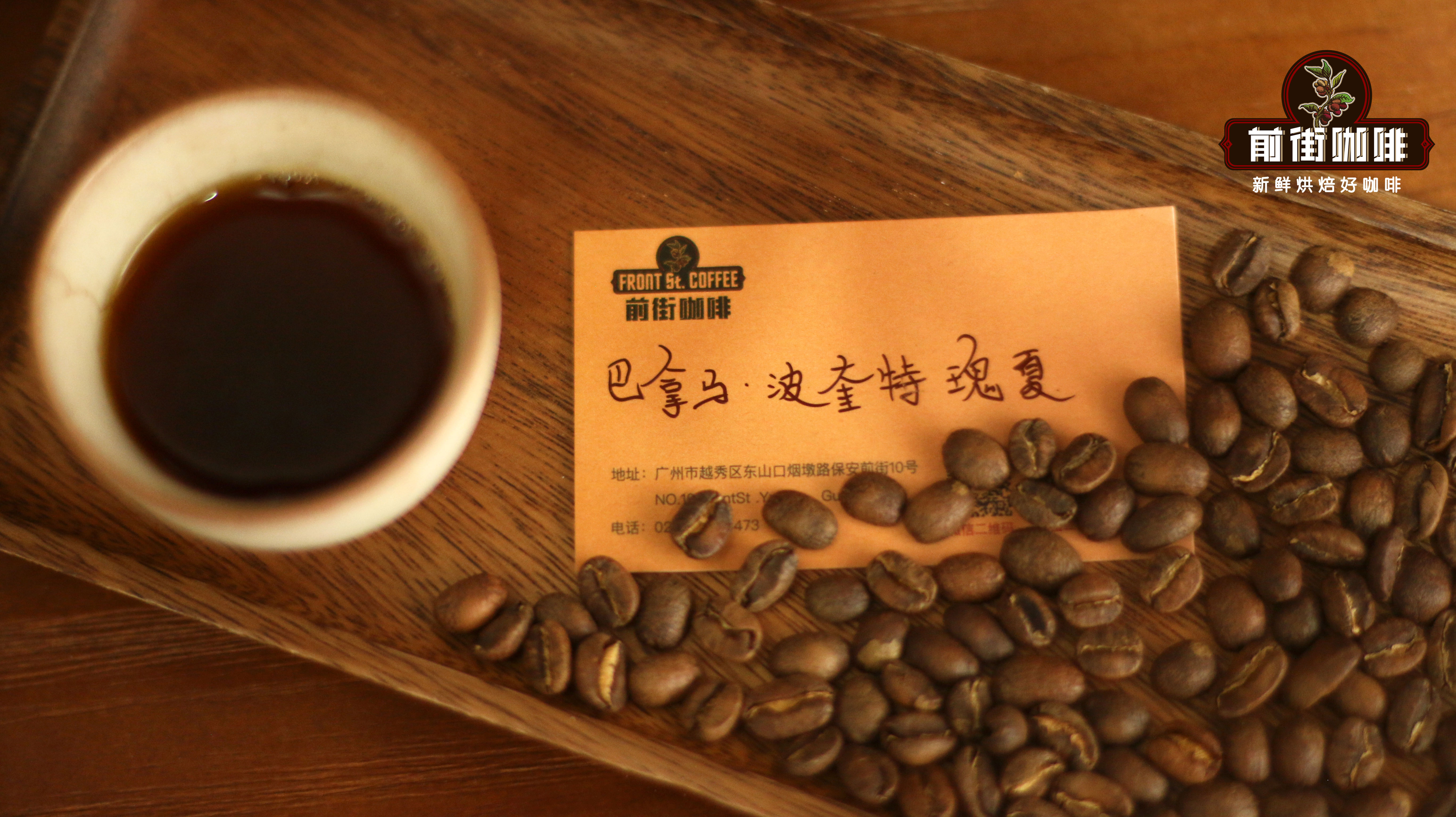
A Comprehensive Analysis of Yunnan Geisha Coffee Varieties: Cultivation Status and In-Depth Flavor Evaluation in the Baoshan and Pu'er Production Regions
In recent years, domestically grown Yunnan Geisha has gradually entered the specialty coffee market, with producing regions such as Baoshan, Pu'er, and Xishuangbanna successively introducing this legendary variety. Geisha originated in the Gesha forest of Ethiopia, then spread via Kenya and Tanzania to Costa Rica and Panama, rising to fame through its breakthrough performance at the 2004 BOP competition. Yunnan began trial-planting Geisha around 2011, mostly at altitudes between 1,300 and 1,800 meters, and due to soil and climatic conditions, its flavor profile shows a different tonality from that of Panama and Ethiopia. Starting from the origin and history of Geisha and the terroir characteristics of the two representative producing regions, Panama and Ethiopia, this article will systematically review the cultivation background, variety performance, and cupping flavors of Yunnan Geisha, and share Front Street Coffee's recommended tasting experience of Yunnan Baoshan Natural Geisha, helping coffee lovers gain a comprehensive understanding of the true quality level and flavor potential of domestic Geisha. [more…]

The Cultivation Origins of Geisha Coffee at Zuoyuan in Baoshan, Yunnan, and an Analysis of the Flavor Characteristics of Yunnan Arabica Coffee
Although the cultivation history of Yunnan Geisha coffee is not particularly long, it has taken root and grown in Zuoyuan in the Baoshan production area, becoming a bright spot in China's specialty coffee sector. The Geisha variety traveled from the primitive forests of Ethiopia to high-altitude estates in Panama, undergoing a long process of genetic adaptation and flavor transformation, and after being introduced to Yunnan, its flavor has taken on a different character due to differences in altitude, soil, and climate. This article will trace the spread of Geisha coffee, compare the flavor differences of Geisha from Ethiopia, Panama, and Yunnan, and specifically describe the plum acidity, berry-like sweet-tartness, black tea fermentation note, and nutty finish displayed by Yunnan Geisha coffee beans, giving you a comprehensive understanding of this variety's cultivation status and taste characteristics in Yunnan. For more specialty coffee bean information, you can follow the Coffee Workshop WeChat official account or add Front Street Coffee's personal WeChat for exchange. [more…]
A Complete Analysis of Yunnan Coffee Bean Varieties: Flavor Differences Between Typica, Catimor, and Robusta, Plus Front Street Recommendations
Yunnan coffee has attracted considerable attention in recent years. From the earliest Typica to the now absolutely dominant Catimor, the evolution of varieties has profoundly shaped flavor trends. This article systematically reviews the introduction history and lineage of major coffee varieties in Yunnan, compares the fundamental differences between Catimor and Robusta, and analyzes the variety, altitude, and cultivation management factors behind the current state of Yunnan coffee's flavor. It also introduces four representative beans from Front Street Coffee in Yunnan's Baoshan, Lincang, and other producing regions—washed and sun-dried Catimor and Typica—providing coffee enthusiasts with a practical guide to understanding Yunnan coffee. [more…]
Flavor Characteristics and Regional History of Yunnan Small-Bean Coffee: A Century-Long Coffee Journey from Zhukula Village to Baoshan and Lincang
Yunnan coffee is gradually emerging in China's specialty coffee scene. Although its reputation is not yet on par with Ethiopian Yirgacheffe or Panama Geisha, it is winning over more and more coffee lovers with its excellent value for money and distinctive terroir flavors. This article starts from the century-long cultivation history of Yunnan coffee, tracing the first coffee tree in Zhukula Village, the large-scale trial planting in Lujiangba, Baoshan, and the current distribution pattern of the four major production regions (Baoshan, Pu'er, Dehong, and Lincang), and offers an in-depth analysis of the variety composition of Yunnan small-bean coffee—from the ancient Typica to the now widely planted Catimor. The article also documents in detail Front Street Coffee's experience of establishing its own estate in Lincang to grow Typica, as well as the flavor performance and brewing parameters of Front Street Coffee 2013 coffee beans and Baoshan Catimor everyday beans, helping readers gain a comprehensive understanding of Yunnan coffee's past and present. [more…]
Where Does the Flavor of Yunnan Catimor Coffee Come From? A Full Analysis of Variety Characteristics, the Baoshan Production Region, and Washed Processing
When you mention Yirgacheffe, you think of white floral notes and citrusy lemon acidity; when you talk about Panama Geisha, compound fruit flavors and honey pomelo sweetness come to mind; Blue Mountain is known for its balanced, rich nutty and chocolate notes. But when asked what Yunnan coffee tastes like, many people are momentarily at a loss for words. What exactly determines the flavor of Yunnan coffee? This article, from the perspective of Front Street, sorts out the origins of Yunnan coffee cultivation, the genetic characteristics of the Catimor variety, the natural conditions of the Baoshan production area, the washed processing flow, and the flavor expression in cupping and pour-over practice, helping coffee lovers build an overall understanding of Yunnan Catimor coffee, and also understand why Front Street chooses Baoshan small-bean coffee as its daily staple bean. [more…]
Analysis of the Variety Characteristics and Main Producing Region Flavors of Yunnan Small-Bean Coffee, with a Discussion of Front Street Coffee's Typica Cultivation Practices
Yunnan small-bean coffee has undergone a transformation in recent years from instant-coffee raw material to specialty beans. The cultivated varieties are mainly Catimor and Typica among Arabica, with some estates also trying Bourbon and Geisha. Production areas are concentrated in Pu'er, Lincang, Baoshan, Dehong, and other places, where high altitude, large temperature differences, and ample sunshine create unique flavors. Front Street Coffee established its own estate in Lincang in 2013, planting the ancient Typica variety and launching a number of Yunnan coffee products. This article reviews the climate conditions, variety differences, and brewing suggestions of each production area to help coffee lovers gain a more comprehensive understanding of the current situation and potential of Yunnan coffee. [more…]
A Comprehensive Analysis of Yunnan Small-Bean Coffee Varieties, Growing Regions, Climate, and Altitude Distribution
Yunnan, as China's core coffee-producing region, grows exclusively Arabica varieties, with Catimor dominating, while Typica, Bourbon, and Geisha are also cultivated in small quantities. These coffees are scattered across prefectures and cities such as Pu'er, Lincang, Baoshan, and Dehong, where high altitude, ample rainfall, and significant day-night temperature differences foster a unique flavor interwoven with nuts and caramel. This article will systematically review the geographical and climatic conditions, cultivation history, and variety characteristics of each producing region, while also introducing Front Street Coffee's practice of establishing its own estate in Lincang to grow Typica, and providing brewing suggestions for Yunnan beans, offering a comprehensive understanding of the varieties, origins, and altitude distribution of Yunnan specialty coffee. [more…]
A Complete Guide to Coffee Varieties Grown in Yunnan: Flavor Characteristics of Arabica and Introduction to Major Producing Regions
Yunnan, as China's core coffee-producing region, nurtures a uniquely distinctive small-bean coffee thanks to its prime location between 15°N and the Tropic of Cancer and its altitude advantage of 1,000–2,000 meters. This article systematically reviews the origins and characteristics of Yunnan's main cultivated coffee varieties—Typica, Bourbon, and Catimor—analyzes the differences in flavor expression among these varieties, and introduces the cultivation overview of major production areas such as Baoshan, Pu'er, and Lincang one by one. At the same time, drawing on three Front Street Coffee products—washed Yunnan small-bean coffee, sun-dried Catimor, and 2013 sun-dried Typica—it shares brewing parameters and key flavor-tasting points, offering coffee lovers a complete cognitive path from origin to cup. [more…]
Yunnan Coffee Flavor Analysis: From Origin and Variety to Processing Method, Does Pour-Over Really Have a Pu'er Tea Note?
Coffee is often seen as an imported product, but Yunnan, China has long since become a coffee-producing region that cannot be ignored. The movie "Coffee or Tea" introduced more people to Yunnan coffee. How does it actually taste? Does it really carry a Pu'er tea-like flavor? This article starts from Yunnan's main producing regions (Dehong, Baoshan, Lincang, Pu'er), mainstream varieties (Catimor, Typica, Bourbon), and washed and natural processing methods to break down the sources of Yunnan coffee's nutty, brown sugar, full-bodied and balanced flavors, and introduces Front Street Coffee's Yunnan daily-drinker beans and natural Typica, helping you decide whether Yunnan coffee suits your taste. [more…]
Yunnan Small-Batch Coffee Varieties Explained: From Typica to Catimor, Front Street Coffee Pour-Over Brewing Guide
Yunnan coffee beans have been steadily gaining popularity in recent years, and more and more coffee enthusiasts are beginning to pay attention to the flavor potential of this land. Customers at Front Street Coffee shops often talk about how Yunnan coffee beans are performing these days. The coffee varieties grown in Yunnan are quite diverse, including the long-established Typica, the dominant Catimor, and smaller quantities of Bourbon, Caturra, Catuai, and even Geisha. This article will guide you through the varietal lineage of Yunnan coffee, starting from the first Typica plant brought by missionaries in 1904, to Nestlé's push for large-scale Catimor cultivation, and then to the introduction of new varieties like Geisha in the past decade, along with Front Street Coffee's pour-over brewing suggestions for Yunnan small-bean coffee, helping you gain a complete understanding of Yunnan coffee's past and present. [more…]
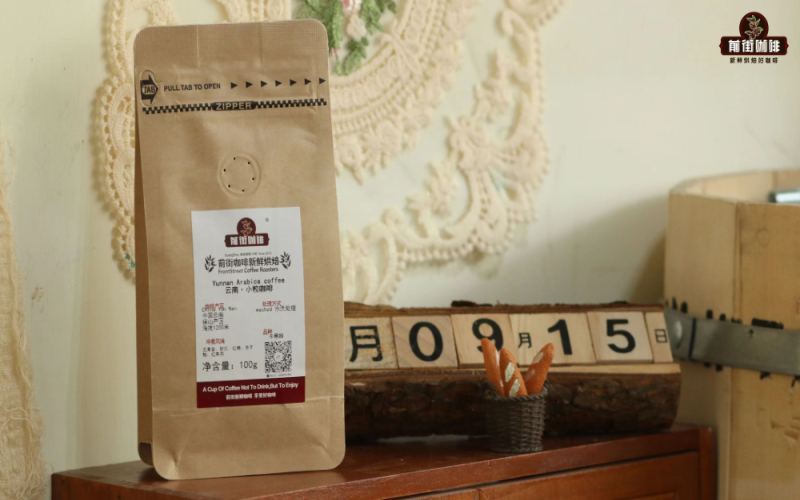
Yunnan Baoshan Small-Bean Coffee Flavor Analysis: Arabica Variety Characteristics and Brewing Parameters Guide
Yunnan coffee is attracting growing attention from coffee enthusiasts, as this land nurtures a unique expression of flavor. Front Street Coffee has added Yunnan small-bean coffee to its everyday staple series, selecting washed beans from the Baoshan region and presenting a balanced profile of nuts, brown sugar, and cream through a medium roast. Starting from the terroir conditions of Lujiangba in Baoshan, this article traces the evolution of Yunnan coffee varieties, explains the definition and processing methods of small-bean coffee, and includes the pour-over brewing parameters used at Front Street stores, offering a comprehensive look at the authentic taste of this cup of domestically grown coffee. [more…]
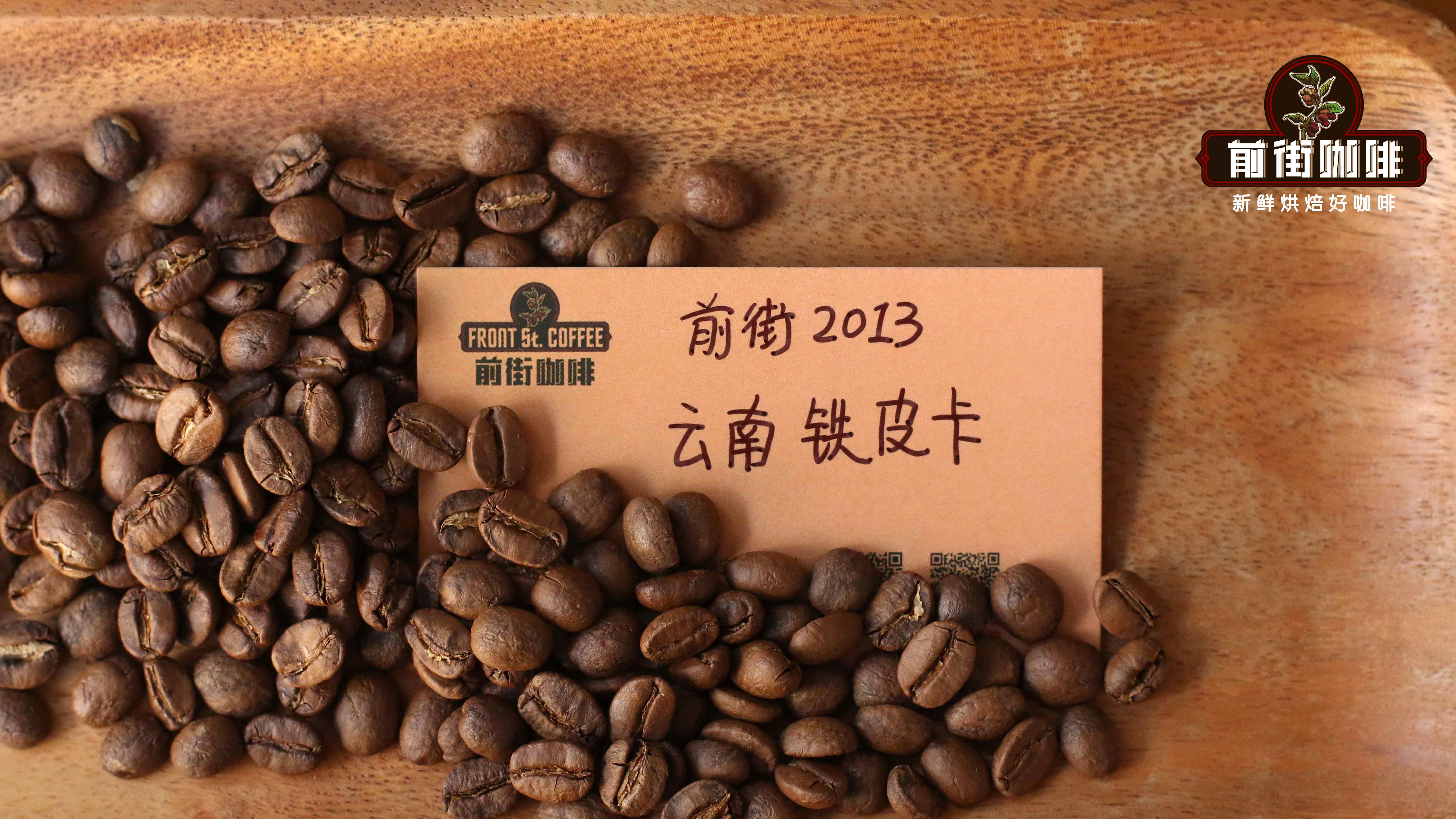
The Past and Present of Yunnan Small-Bean Coffee: From Catimor to Typica, a Guide to Buying and Flavor Analysis of Pour-Over Single-Origin Beans
Yunnan is the core coffee-producing region in China, with about 98% of the country's coffee beans coming from this land. From the coffee plants brought by French missionaries in 1904 to Nestlé's promotion of the rust-resistant Catimor variety in 1989, Yunnan coffee has traveled a path from experimentation to commercialization. Today, Pu'er, Baoshan, Lincang, Xishuangbanna, and other places have become major growing areas, where mountainous terrain at elevations of 800 to 1,850 meters nurtures coffee that combines balance with regional character. Front Street Coffee planted Typica on a Yunnan mountain and launched [Front Street 2013], using natural processing and a medium roast to preserve sweetness and a juicy feel, forming a sharp contrast with the Catimor commonly found on the market. This article will sort through the history of Yunnan coffee, variety differences, brewing parameters, and flavor performance, and objectively analyze its strengths and shortcomings, providing coffee lovers with a practical reference for buying Yunnan pour-over beans. [more…]
Yunnan Small-Bean Coffee Varieties Explained: Baoshan Terroir and a Roast-Flavor Comparison of Catimor and Typica
Yunnan coffee has attracted much attention in the specialty coffee circle in recent years, and more and more people are beginning to explore the "taste of Yunnan" that belongs to this land. Starting from Front Street Coffee's selection of everyday beans, this article provides an in-depth analysis of the varietal composition of Yunnan Arabica coffee—the origins and differences among Typica, Bourbon, and Catimor—and sorts out the influence of the unique terroir conditions of the dry-hot valley of Lujiangba in Baoshan on coffee flavor. It also discusses how washed and natural processing methods shape the original character of Yunnan beans. At the same time, the article will also share the cupping flavor performance of Front Street Coffee's Yunnan Arabica everyday beans and Front Street Coffee's 2013 Natural Typica, as well as recommended pour-over extraction parameters for medium-roast Yunnan beans, helping coffee lovers fully understand the complete picture of Yunnan Arabica coffee from origin to cup. [more…]
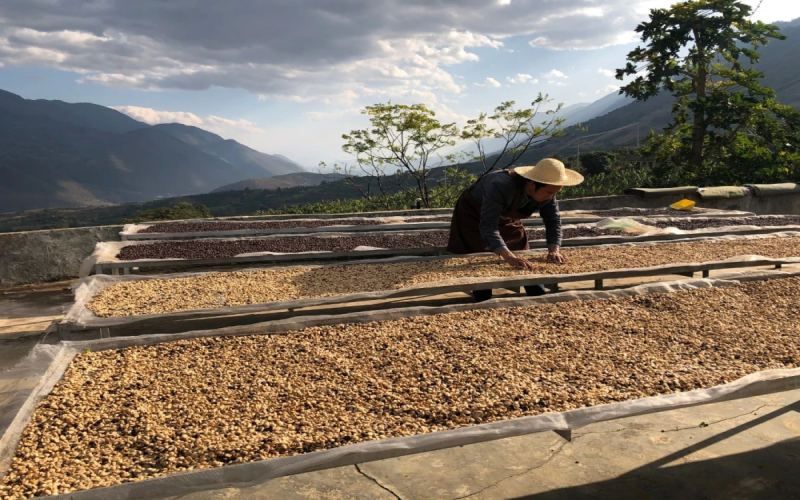
Flavor Analysis and Pour-Over Parameters of Yunnan Baoshan Small-Bean Coffee: Regional Characteristics and Brewing Key Points of the Catimor Variety
Southern Yunnan, with its geographical advantages of low latitude and high altitude, has become the core growing region for Arabica coffee in China. The small-bean coffee produced locally is mainly Catimor, accounting for as much as 99%, with a clean flavor and fruity acidity. This article focuses on the washed Catimor from the Baoshan growing region, starting from the selection logic of Front Street's everyday drinking beans, and sorts out the variety composition, processing methods, flavor characteristics, and pour-over brewing parameters of the coffee beans. Front Street selects Catimor from the Baoshan growing region, priced at 25 yuan/100g, with flavors of brown sugar aroma, plum acidity, and black tea notes. The article will also introduce the extraction characteristics of the V60 dripper and provide a complete brewing plan including coffee dose, grind size, coffee-to-water ratio, water temperature, and three-stage pouring, to help coffee enthusiasts reproduce at home a cup of Yunnan pour-over with clear layers and solid sweetness. [more…]
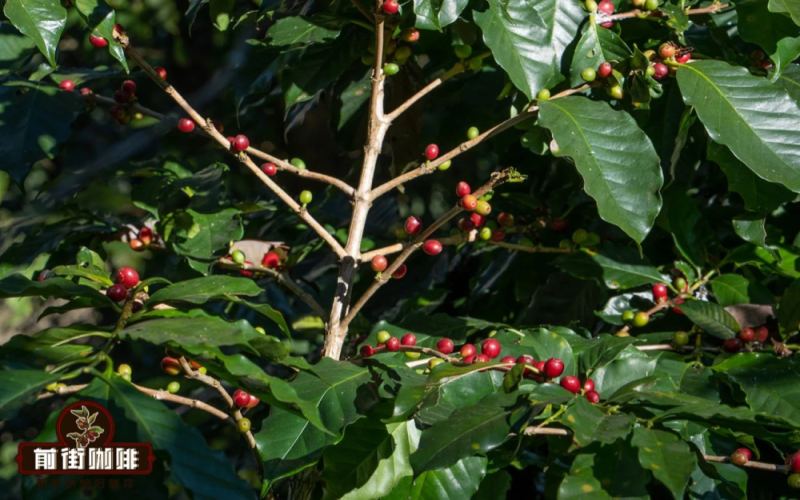
A Complete Analysis of Yunnan Coffee Bean Varieties, Flavors, and Regional Characteristics: The Taste Code from Catimor to Typica
Yunnan is the most significant name on China's coffee map. From the first coffee tree planted by missionaries a century ago to today's scale, accounting for seventy percent of the nation's planting area and over eighty percent of its output, this land has cultivated a full-bodied, well-balanced small-bean coffee. This article systematically reviews the historical threads of Yunnan coffee, the natural conditions of its main growing regions—Dehong, Baoshan, Lincang, and Pu'er—and the flavor differences among the three major varieties: Catimor, Typica, and Bourbon. At the same time, from washed processing methods to pour-over parameters, it guides you through a complete understanding of Yunnan coffee's nutty and brown-sugar notes, and shares Front Street Coffee's sourcing philosophy and brewing practices in the Yunnan production area. [more…]
A Comprehensive Analysis of the Catimor Coffee Variety: From Its Portuguese Hybrid Origins to the Flavor Characteristics of the Baoshan Region in Yunnan
Catimor is a coffee variety bred by crossing Caturra and Timor. After its birth in Portugal in 1959, it was successively introduced and planted in production regions such as Colombia, Indonesia, and Yunnan, China. It carries 25% Robusta lineage; in terms of flavor, its aroma is relatively weak and its bitterness is pronounced, but it performs excellently in disease resistance and yield. This article will review the spread of Catimor across major production regions, focus on the flavor characteristics of Baoshan Catimor in Yunnan, and include Front Street Coffee's pour-over brewing parameters and suggestions. [more…]
How Does Yunnan Coffee Taste in Pour-Over? An Analysis of Its Origin Story, Small-Bean Varieties, and Processing Characteristics
Coffee is often seen as an imported product, but China also has its own important producing region—Yunnan. With the development of the domestic coffee market and the influence of film and television works, more and more people are beginning to pay attention to Yunnan coffee. Unlike the citrus notes of Yirgacheffe, the floral aroma of Geisha, and the herbal spices of Mandheling, Yunnan coffee shows a balanced style of nuts, brown sugar, and high body. This article will help you understand the source of Yunnan coffee's flavor from three angles: Yunnan's main producing regions, cultivated varieties, and processing methods, and answer the question "Is Yunnan coffee good to drink?" The article also retains Front Street Coffee's representative recommendations in Yunnan's producing regions for coffee lovers' reference. [more…]
Yunnan Small-Bean Coffee Brands Overview: From Typica Origins to Catimor Flavor and Processing Methods by Region
Yunnan coffee is commonly known as Yunnan small bean, with uniform and plump beans and a mellow, moderate taste. Its cultivation history can be traced back to 1904, when the French missionary Tian De'neng brought Typica to Zhugula Village in Binchuan County. Today, Catimor and its improved varieties are widely planted in Yunnan, while high-quality varieties such as Typica, Bourbon, and Geisha account for only a small portion. Front Street Coffee's planting trials in Lincang show that Typica can present flavors of nuts, brown sugar, and slight fruit acidity. Yunnan coffee is mainly distributed in Lincang, Pu'er, Baoshan, Xishuangbanna, Wenshan, Dehong, and other places. Each production area forms a unique microclimate thanks to high altitude, abundant sunshine, and distinct dry and rainy seasons. The processing method is mainly washed. Sun-dried and washed methods bring different flavor directions, and Front Street Coffee's sun-dried and washed Catimor are typical examples. [more…]
Tracing the History of Coffee Cultivation in Yunnan and a Full Analysis of the Flavor Characteristics of Arabica Coffee
Yunnan, as China's largest coffee-producing region, has a cultivation history spanning over a century, with its output accounting for more than 98% of the national total. From 1902, when a French missionary planted the first coffee tree in Zhukula Village, Binchuan County, to today's thriving development of four major producing regions—Baoshan, Pu'er, Dehong, and Lincang—Yunnan arabica coffee has won recognition both domestically and internationally for its unique flavor profile: rich yet not bitter, aromatic yet not harsh. This article will guide you through the historical development of Yunnan coffee, explore the characteristic differences between the two major varieties Typica and Catimor, and provide an in-depth analysis of the flavor characteristics of Baoshan arabica coffee. Front Street Coffee has selected two everyday beans—Baoshan Catimor and Lincang Typica from Yunnan—allowing entry-level enthusiasts to experience the nutty sweetness and black tea aftertaste of Yunnan coffee at an accessible price, along with practical brewing suggestions to help you easily brew a delicious cup of Yunnan coffee. [more…]
Is Yunnan small-bean coffee Arabica? A full analysis of its variety composition, main producing regions, and flavor characteristics
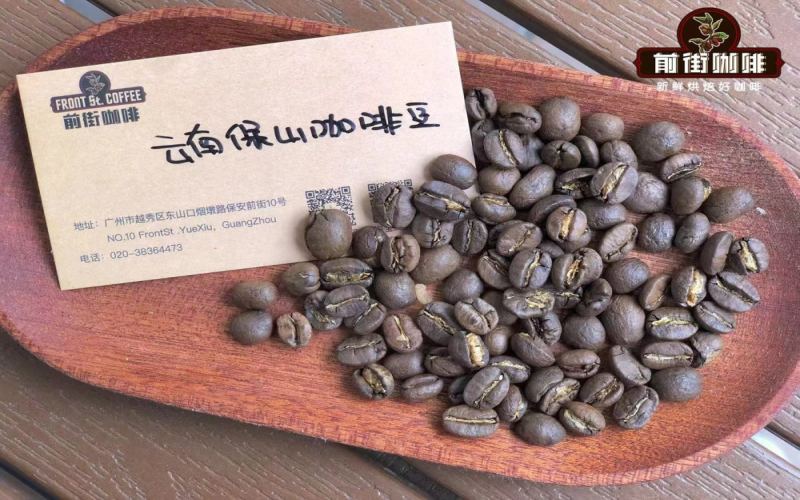
Yunnan small-bean coffee actually belongs to the Arabica species, but what is widely planted locally today is no longer the traditional Typica, but rather Catimor. This article will trace the evolution of coffee varieties in Yunnan, from Typica to the replacement process by Catimor, introduce the current cultivation status of a small number of high-quality varieties such as Geisha and Bourbon, and analyze one by one the climate conditions and flavor trends of major producing regions including Lincang, Pu'er, Baoshan, and Dehong. At the same time, the article will also explain why Yunnan coffee generally adopts the washed processing method, as well as Front Street Coffee's experience growing Typica in Lincang and the brewing parameters and flavor descriptions of several representative products. [more…]